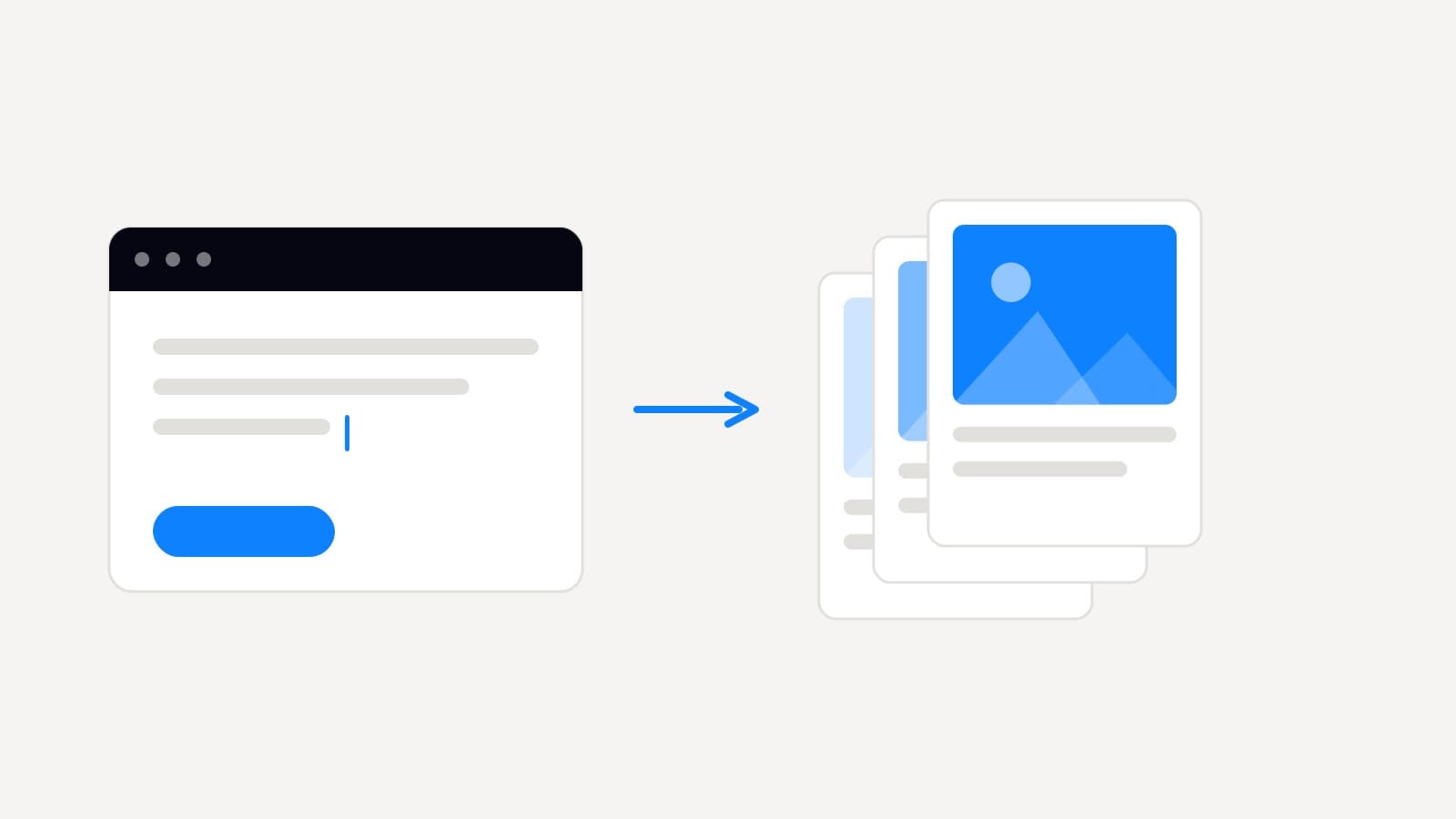
Produktfoto hochladen, Budget festlegen, Bankkonto verbinden. Den Rest macht die KI. So sieht Metas Plan aus, und er verändert die Rechnung für alle, die ohne Agentur werben.
Das Tool ist noch in Entwicklung, aber seine Form ist schon öffentlich: eine Kampagne von null, gebaut aus drei Eingaben, ohne Kampagnenmanager, ohne Designer, ohne Briefing. Der Plan tauchte zuerst in einem Bericht des Wall Street Journal auf und wurde von Mark Zuckerberg auf der jährlichen Hauptversammlung bestätigt. Das Ziel: Betrieb im großen Maßstab bis Ende 2026.
Für alle, die allein werben, klingt das nach einer guten Nachricht. Und das ist es auch, zum Teil. Das Detail, das fast niemand erwähnt, ist die Folge: Wenn die Maschine für alle dieselbe ist, ist die Anzeige kein Vorteil mehr. Dein Konkurrent lädt sein Foto ins selbe System, mit derselben KI, in dieselbe Auktion. Was euch beide dann noch unterscheidet, ist alles, was außerhalb des Werbeanzeigenmanagers existiert.
Was tatsächlich angekündigt wurde
Meta baut eine KI-Ebene, die das komplette Creative erzeugt: Bild, Text, Videoversionen und das Targeting, auf Basis von Signalen wie Standort und Surfverhalten. Der Werbetreibende liefert das Produktbild, den Betrag, den er ausgeben will, und ein verbundenes Bankkonto.
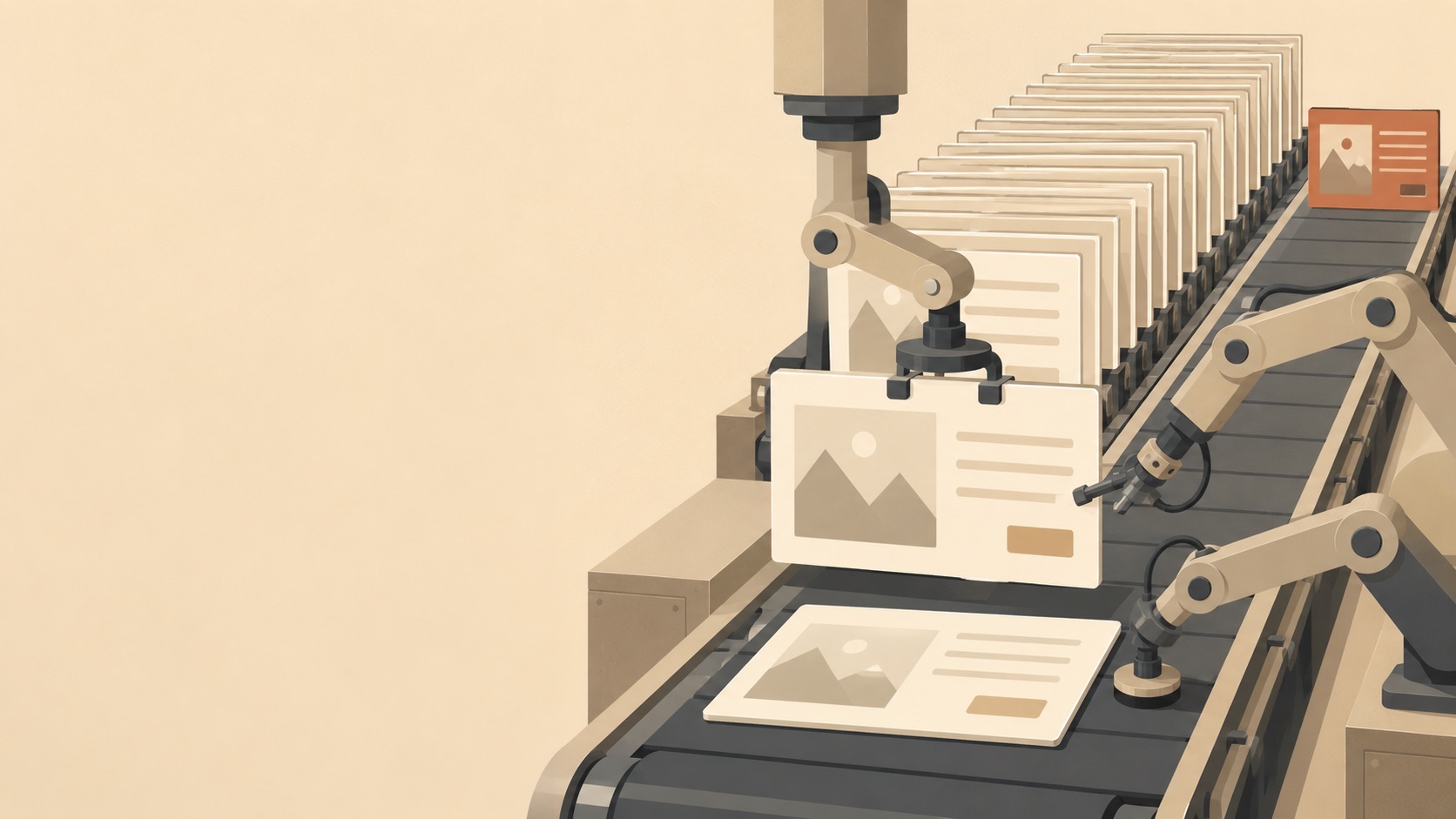
Zuckerberg stellte den Schritt als Neudefinition der Werbebranche dar. Der Markt las es genauso: Direkt nach der Nachricht fielen die Aktien von WPP, Publicis Groupe und Havas, eine klare Reaktion auf die Angst, als Mittelsmann überflüssig zu werden. Wenn die Plattform das Ergebnis selbst erstellt, ausspielt und mit eigenen Tools misst, bleibt für die klassische Rolle der Agentur wenig Platz.
Nichts davon kam aus dem Nichts. Kampagnen mit Advantage+, automatische Zielgruppenmodellierung und die Generierung von Creative-Varianten laufen seit Jahren. Der Sprung ist eine Frage des Grades: Das Mikromanagement von Kampagnen fällt weg, stattdessen gibt man die Ausführung fast komplett an die Plattform ab. Die Berichterstattung von Exame zur Ankündigung enthält Zuckerbergs vollständiges Zitat, falls du die Primärquelle willst.
Brasilianische Unternehmer haben nicht darauf gewartet
Während Meta die Automatisierung vorbereitet, haben kleine Unternehmen in Brasilien das Problem längst selbst gelöst. Die Umfrage Digitale Transformation in kleinen Unternehmen, durchgeführt von Sebrae mit dem Meta Research Institute, befragte zwischen März und Mai 2026 insgesamt 7.182 Unternehmer.
Und die Nutzung ist sehr konkret. In einer weiteren Umfrage, durchgeführt von Sebrae mit FGV IBRE und Unterstützung von Google, sind Marketing und Werbung der wichtigste Einsatzzweck von KI bei kleineren Unternehmen: 59 % bei Kleinstunternehmen und kleinen Firmen, 74 % bei Einzelunternehmern. Bei mittleren und großen Unternehmen hat die Datenanalyse Vorrang.
Im Klartext: Die Hälfte der kleinen Unternehmen im Land erstellt schon jeden Tag Content mit KI. Was fast keinem davon gelingt, sind Beständigkeit und eine eigene visuelle Identität in dem, was sie veröffentlichen. Genau da geht die Rechnung nicht auf.
Wenn das Creative zur Massenware wird, bleibt die Auktion
Die Automatisierung der Anzeigenproduktion reißt eine echte Hürde ein. Die meisten Werbetreibenden bei Meta sind klein und konnten sich nie eine Agentur, eine Produktionsfirma oder einen Kampagnenmanager leisten. Der Haken: Die Hürde fällt für alle gleichzeitig.
Sobald die Maschine identisch ist, bleibt in der Auktion nur ein Hebel: wie viel du pro Ergebnis zu zahlen bereit bist. Und dieses Rennen gewinnt der kleine Werbetreibende nicht, weil es an der Kasse entschieden wird. Automatisierung gleicht das Spiel nicht aus. Sie ändert nur, was am Ende den Ausschlag gibt: das Budget.

Was Metas KI abdeckt und was deins bleibt
Es lohnt sich, beides zu trennen, bevor du entscheidest, wo du deine Zeit investierst:
| Kriterium | Automatisierte Anzeige | Eigener Content |
|---|---|---|
| Wer die Kontrolle hat | Die Plattform entscheidet über Creative, Zielgruppe und Ausspielung | Du entscheidest, was du sagst, wie und zu wem |
| Kosten, um dranzubleiben | Endet an dem Tag, an dem du aufhörst zu zahlen | Das veröffentlichte Archiv bleibt online |
| Vorteil | Keiner, dein Konkurrent nutzt dasselbe System | Visuelle Identität und Tonalität lassen sich nicht kopieren |
| Tempo | Hoch. Ergebnisse am selben Tag | Anfangs langsam, wächst mit jeder Wiederholung |
| Rolle | Skalieren, was schon funktioniert | Wiedererkennung vor dem Klick aufbauen |
| Wo es scheitert | Wenn die Auktionskosten steigen | Wenn du aufhörst, regelmäßig zu veröffentlichen |
Keine der beiden Spalten ersetzt die andere. Der Fehler ist, nur in der ersten zu bleiben, und genau das macht die Automatisierung leichter.
Fünf praktische Entscheidungen für die kommenden Monate
- Nutze automatisierte Anzeigen als Distribution, nicht als Strategie. Sie skalieren, was schon funktioniert. Was du sagen sollst, finden sie nicht heraus.
- Leg deine Markenidentität fest, bevor du irgendetwas generierst: Farben, Typografie, Tonalität. Ohne sie sieht alles, was die KI für dich erzeugt, aus wie das, was sie für deinen Konkurrenten erzeugt hat.
- Poste organisch in einem Tempo, das du durchhältst. Zweimal pro Woche, ein Jahr lang, schlägt einen Monat mit zehn Posts und danach Funkstille.
- Beobachte den Markentraffic, nicht nur die Klicks auf Anzeigen. Wer die Marke schon kennt, kommt günstiger und konvertiert besser.
- Geh den echten Engpass an. Wer kein Team hat, dem fehlen fast nie die Ideen. Es fehlt die Zeit zwischen der Idee und dem veröffentlichten Post.
Kurze Fragen
Läuft die volle Automatisierung schon?
Nicht ganz. Teile laufen bereits, etwa Advantage+ und die Generierung von Creative-Varianten. Der Plan, den Zuckerberg beschrieben hat, zielt auf Betrieb im großen Maßstab bis Ende 2026.
Soll ich also die Anzeigen pausieren?
Nein. Pausieren solltest du die Gewohnheit, Anzeigen als deinen einzigen Kanal zu behandeln. Sie werden billiger im Betrieb und teurer im Gewinnen.
Ist das das Ende der Agenturen?
Es ist das Ende des Teils der Agentur, der aus operativer Ausführung bestand. Strategie, Positionierung und Markenaufbau bedient die Automatisierung weiterhin schlecht, und genau dahin bewegt sich der Markt.
Der Engpass, den Groselia löst
Groselia liest deine Marke und baut ein Brand Kit mit deinen Farben, deiner Typografie und deiner Tonalität. Danach gibst du ihm deine Fotos und Videos, und es schreibt die Captions, plant die Posts auf jedem Kanal ein, entwirft die Antworten auf deine Kommentare und sagt dir, was funktioniert. Ohne Agentur und ohne dass dein Tag entgleist.
Während Meta die Anzeigen von allen automatisiert, bleibt eine Marke, die beständig auftaucht, der Teil, den dir niemand abnimmt.
Quellen
- Exame, basierend auf einem Bericht des Wall Street Journal: Meta will die Erstellung von Anzeigen bis 2026 mit KI automatisieren.
- IT Forum: Meta bereitet eine KI vor, die Anzeigen selbst erstellt, und bedroht die Werberiesen.
- Agência Sebrae de Notícias: Umfrage Digitale Transformation in kleinen Unternehmen, 7.182 Befragte, durchgeführt zwischen dem 24. März und dem 8. Mai 2026.
- Blog do IBRE, FGV: Einsatz von KI in Unternehmen, eine Umfrage von Sebrae und FGV IBRE mit Unterstützung von Google, Dezember 2025.