Kebanyakan alat konten memulai dengan menyuruh Anda bekerja: pilih template, isi brief, tentukan nada, tandai kanal. Groselia memulai dengan bertanya apa yang Anda mau.
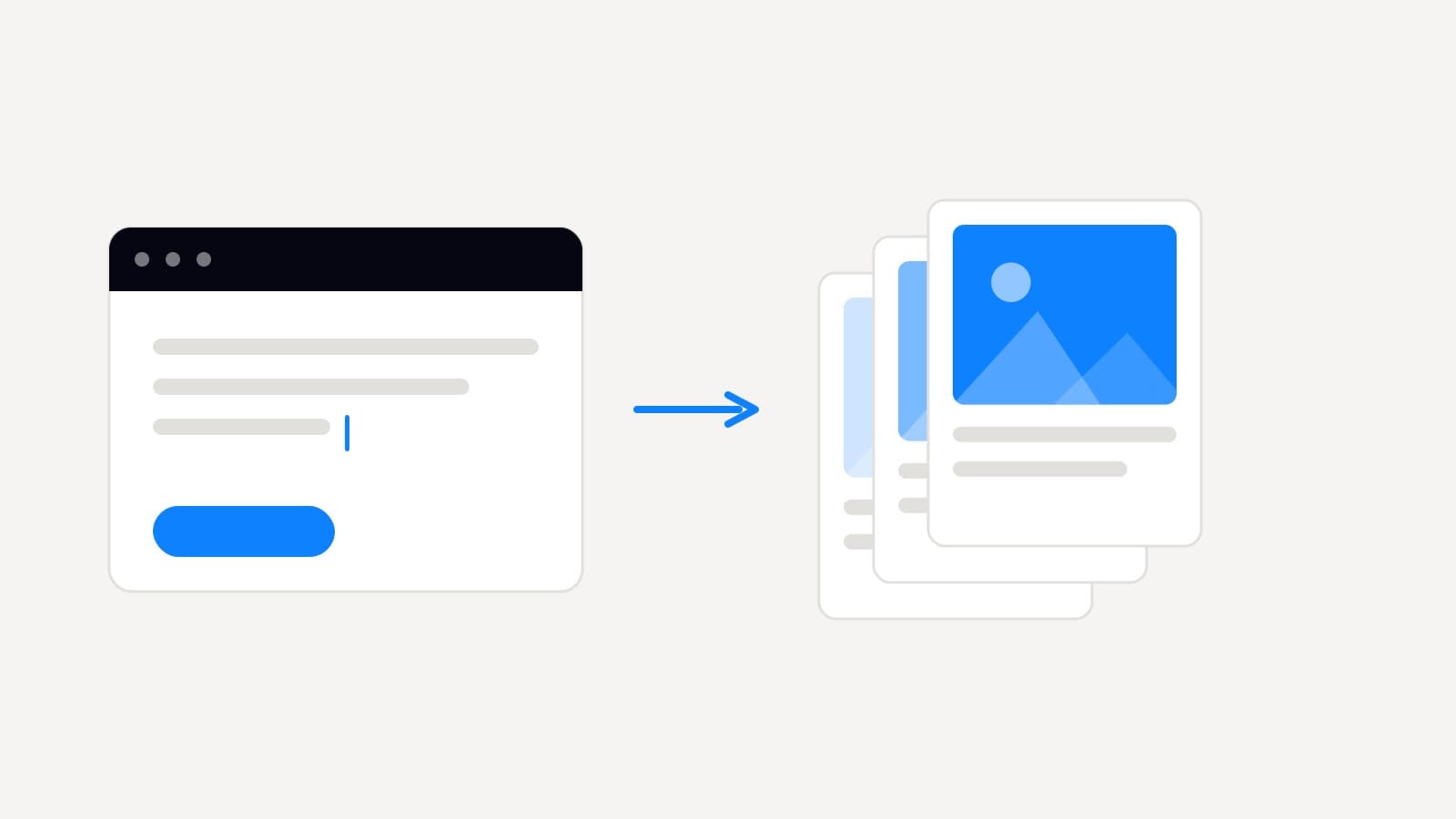
Anda mengetik sesuatu seperti:
Ini 20 screenshot dan dua video demo aplikasi manajemen proyek kami untuk studio desain. Sebar selama sebulan ke depan, tonjolkan bagaimana kami menyelamatkan tim dari neraka rapat status, dan buat caption yang sedikit jenaka.
Dari satu deskripsi itu, inilah yang terjadi.
1. Ia membaca brand Anda, bukan hanya prompt Anda
Sebelum menulis satu caption pun, Groselia membaca brand kit yang Anda hubungkan sekali: suara Anda, produk Anda, audiens Anda, dan nada yang Anda tetapkan. Jadi setiap caption dalam rencana sudah terdengar seperti Anda, bukan seperti isian AI yang generik.
Hubungkan sekali
Brand kit adalah tulang punggung segalanya. Anda menyiapkannya satu kali; setiap kampanye setelahnya membacanya secara otomatis.
2. Ia merencanakan sebulan penuh
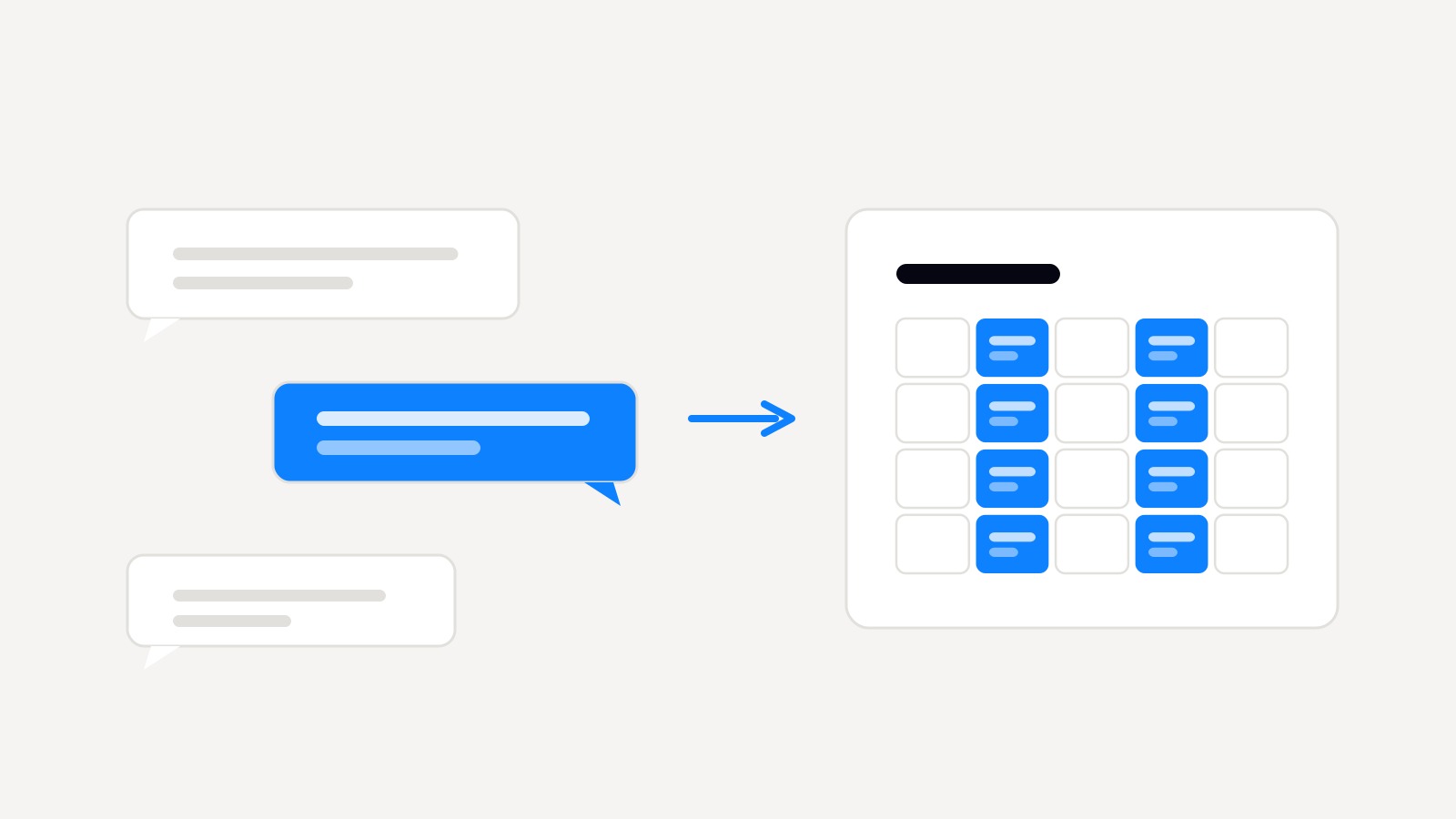
Groselia tidak menyodorkan postingan satu per satu. Ia mengusulkan sebuah kalender: foto dan video Anda tersebar di sepanjang minggu, dan setiap postingan punya kanal, caption, serta waktu yang dipilih dari jam audiens Anda sungguh aktif. Anda melihat bentuk utuh bulan itu sebelum ada yang terbit.

3. Ia menerbitkan dan melaporkan hasilnya
Setujui rencananya dan semuanya terjadwal. Setiap postingan terbit pada tanggalnya, di setiap kanal yang Anda hubungkan: Instagram, LinkedIn, TikTok, YouTube, Facebook, Threads, dan Reddit. Saat komentar masuk, Groselia menyusun draf balasannya, dan saat Anda bertanya apa yang berhasil, ia menjawab dari angka Anda sendiri.
Anda memegang arah, tanpa tenggelam dalam detail
Anda menyetujui arah, bukan memproduksi aset. Beda antara "tinjau rencana bulan ini" dan "tulis 20 caption" adalah inti dari semuanya.
Mengapa satu percakapan mengalahkan dashboard
Dashboard menjadikan Anda operator. Percakapan menjadikan Anda sutradara. Anda menjelaskan niat; sistem menangani eksekusi. Itulah modelnya: katakan apa yang harus terbit, dan itu pun terbit.